Kissimmee Probate Court Records Search
Kissimmee is the county seat of Osceola County, so probate cases for Kissimmee residents are filed right in town at the Osceola County Courthouse through the 9th Judicial Circuit. This page explains how to find and access probate records, what types of cases exist, what fees apply, and where to get legal help.
Kissimmee Quick Facts
- Population: 72,884
- County: Osceola
- Judicial Circuit: 9th
- Formal Administration Threshold: $75,000
Which County Handles Probate for Kissimmee
Kissimmee is the county seat of Osceola County, which means the Osceola County Courthouse that handles probate filings is located in Kissimmee itself. This is convenient for Kissimmee residents compared to cities where residents must travel to a different city to access the courthouse. The Clerk of Courts is Kelvin Soto.
The 9th Judicial Circuit covers both Orange and Osceola counties. Orange County, which includes Orlando, has its own clerk and probate division. Osceola County residents file separately in the Osceola County probate division regardless of the shared circuit. The two counties have different clerks, different fee schedules, and different local rules, even though they share the same circuit judges at the appellate level.
| Clerk of Court | Kelvin Soto |
|---|---|
| Address | Osceola County Courthouse, 2 Courthouse Square, Kissimmee, FL 34741 |
| Phone | (407) 742-3500 |
| Website | www.osceolaclerk.com |
| Hours | Monday - Friday, 8:00 AM to 5:00 PM |
The Osceola County Courthouse at 2 Courthouse Square is the primary location for all probate filings in the county. There are no branch locations for probate matters. If you are filing for someone who lived in Kissimmee or anywhere else in Osceola County, this is the courthouse you use.
Lead-in: The 9th Judicial Circuit's official site at www.jud9.flcourts.org covers court divisions, administrative orders, and local rules that apply to probate filings in Osceola County.
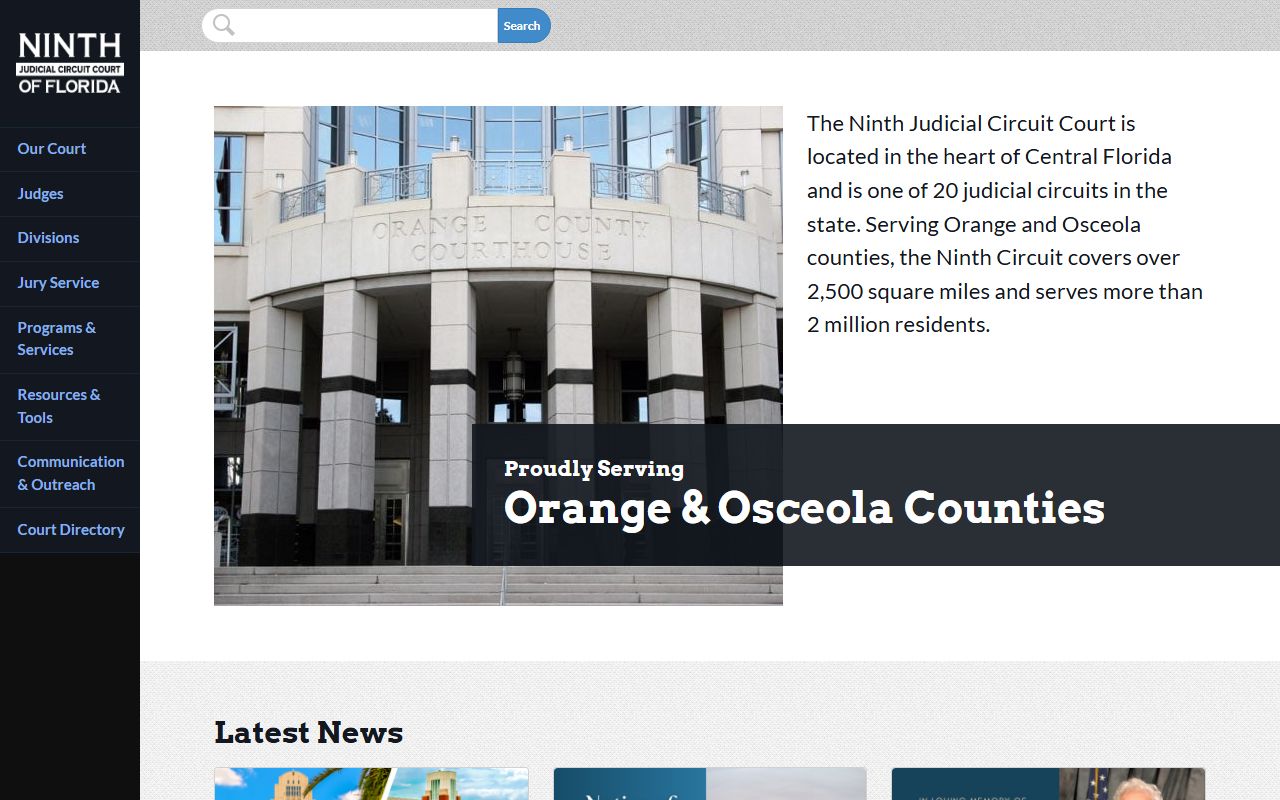
The 9th Circuit site provides judge assignment information, local administrative orders, and links to forms and procedures that govern how probate cases are handled in both Orange and Osceola counties.
How to Search Kissimmee Probate Records
Osceola County probate records are public, with limited exceptions. Florida law makes inventories and accountings filed in probate cases confidential, but most other documents in the case file are open to public inspection.
Online case search is available through the Osceola County Clerk's website at osceolaclerk.com. You can search by decedent name, case number, or date of filing. The online portal covers cases from recent years and may have gaps for older records. Historical probate records may only be available in paper form at the courthouse.
For in-person access, visit the Osceola County Courthouse at 2 Courthouse Square during regular business hours. The clerk's civil division handles probate records. Bring the decedent's full legal name and approximate year of death. Staff can retrieve files for public review, and public access terminals are available for case lookups. If you know the case number, searches are faster.
Certified copy fees apply to any documents you need for banks, title companies, or other institutions. Plain copies cost less than certified ones. Contact the clerk at (407) 742-3500 or check the clerk's website for the current fee schedule before visiting. The clerk will not release sealed or confidential portions of the file, such as inventories and accountings.
Lead-in: The City of Kissimmee's official site at www.kissimmeegov.com provides city services information and community resources for Kissimmee residents.
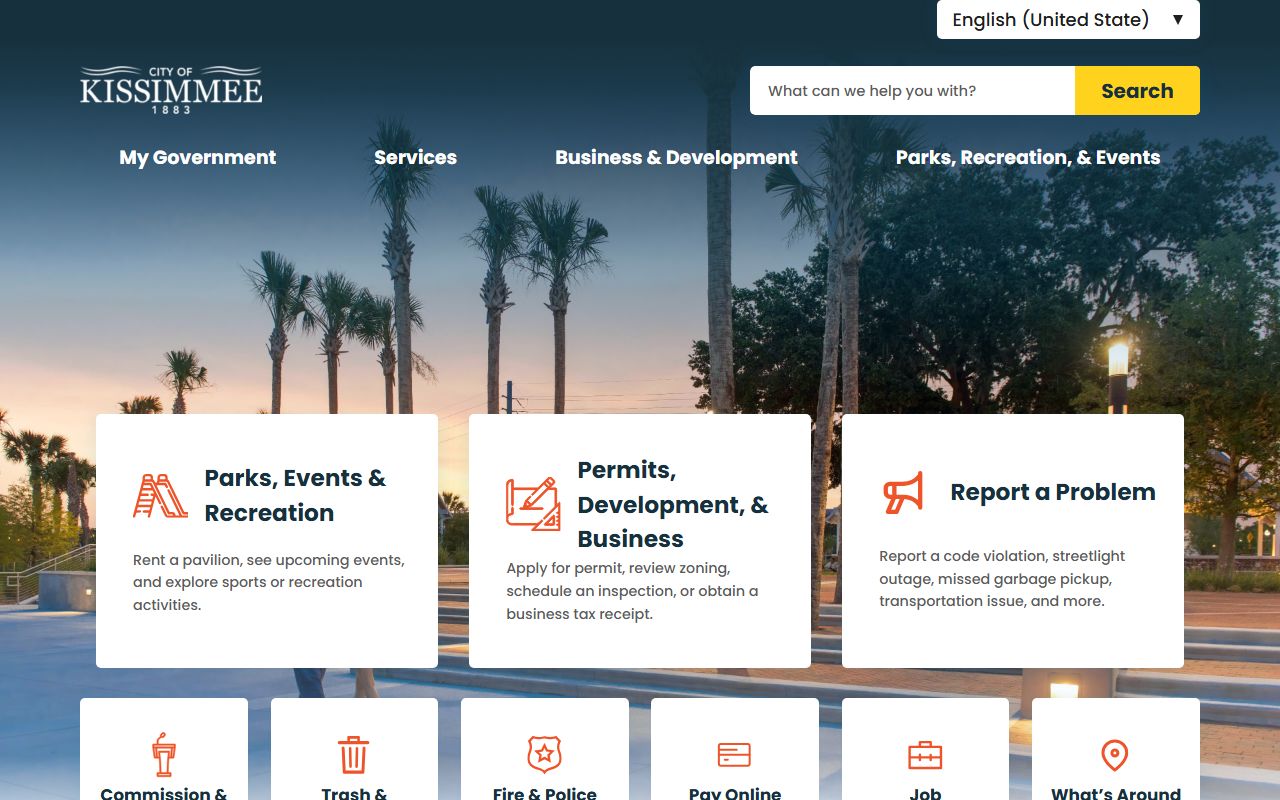
The city's site can direct residents to local legal resources, community organizations, and social services that may help families navigating the estate administration process.
Types of Probate Cases in Osceola County
Florida offers three types of probate administration, and the one used for a Kissimmee estate depends on the estate's value and how long the person has been deceased.
Formal Administration applies when the estate's gross value exceeds $75,000. This is the full court-supervised process. The circuit court appoints a personal representative, who then manages creditor notice, asset inventory, debt payment, and distribution to beneficiaries. A Formal Administration in Osceola County typically takes six months to a year or more, depending on the size and complexity of the estate and whether any disputes arise.
Summary Administration is available when the estate value is $75,000 or less, or when the decedent has been dead for two or more years regardless of estate size. No personal representative is appointed. Heirs file a petition for Summary Administration identifying the assets and proposed distribution. The court reviews the petition and issues an order directing transfer of assets. This process can often be completed in weeks rather than months.
Disposition Without Administration applies in narrow situations: no real property in the estate, and the only assets are exempt personal property or funds to cover funeral expenses and medical costs from the last 60 days of life, with non-exempt assets generally under about $6,000. The clerk issues an order without formal court proceedings.
Osceola County also handles ancillary probate for non-residents who owned property in the county at death. If someone lived out of state but owned a Kissimmee vacation home or other local property, an ancillary proceeding may be needed to transfer that property even if the primary estate is administered in another state.
Probate Filing Fees in Osceola County
Filing fees for Osceola County probate cases follow the Florida statutory fee schedule. The specific amount depends on the type of administration and the estate value.
For Formal Administration, initial filing fees typically start around $400 and increase with the estate's reported value. Summary Administration carries a lower fee, generally in the range of $235 to $280. Disposition Without Administration has the lowest cost. These figures are based on the Florida statutory schedule and may be updated. Always confirm current fees with the clerk's office before filing.
Beyond the initial filing fee, plan for the cost of certified copies of Letters of Administration, court orders, and other documents you will need for banks and title companies. Each certified copy carries a per-page fee plus a certification charge. Formal Administration also requires publishing a Notice to Creditors in a qualifying Osceola County newspaper for two consecutive weeks, which the newspaper bills separately.
Attorney fees in Florida probate are governed by statute. For Formal Administration, the statutory fee starts at 3% of the first $1 million of the compensable estate value. The personal representative is also entitled to a reasonable fee. Parties can agree in writing to a different fee arrangement, but the statutory schedule applies if no agreement is made.
Legal Help for Kissimmee Residents
Osceola County residents who cannot afford a private probate attorney have several options for free or reduced-cost legal help.
Community Legal Services of Mid-Florida serves Osceola County and may be able to assist with probate matters for low-income clients, particularly elderly residents handling simple estates. Contact their intake office to find out if you qualify and whether probate cases are within their current capacity.
The Osceola County Bar Association and the Central Florida chapter of the Florida Bar can provide lawyer referrals for residents looking for probate attorneys. Many attorneys in the Kissimmee and St. Cloud area handle Osceola County probate work and offer initial consultations at reduced or no cost. The Florida Bar's statewide referral service at floridabar.org lets you search by practice area and county.
The clerk's self-help resources at the courthouse may provide printed guides and information for pro se filers. The Florida Courts statewide self-help website at www.flcourts.gov has approved probate forms accepted in all Florida counties, including Osceola. These are the same forms attorneys use, and they can be downloaded at no cost.
Lead-in: The Osceola County Clerk's official site at www.osceolaclerk.com provides forms, fee schedules, and case search access for Kissimmee probate matters.
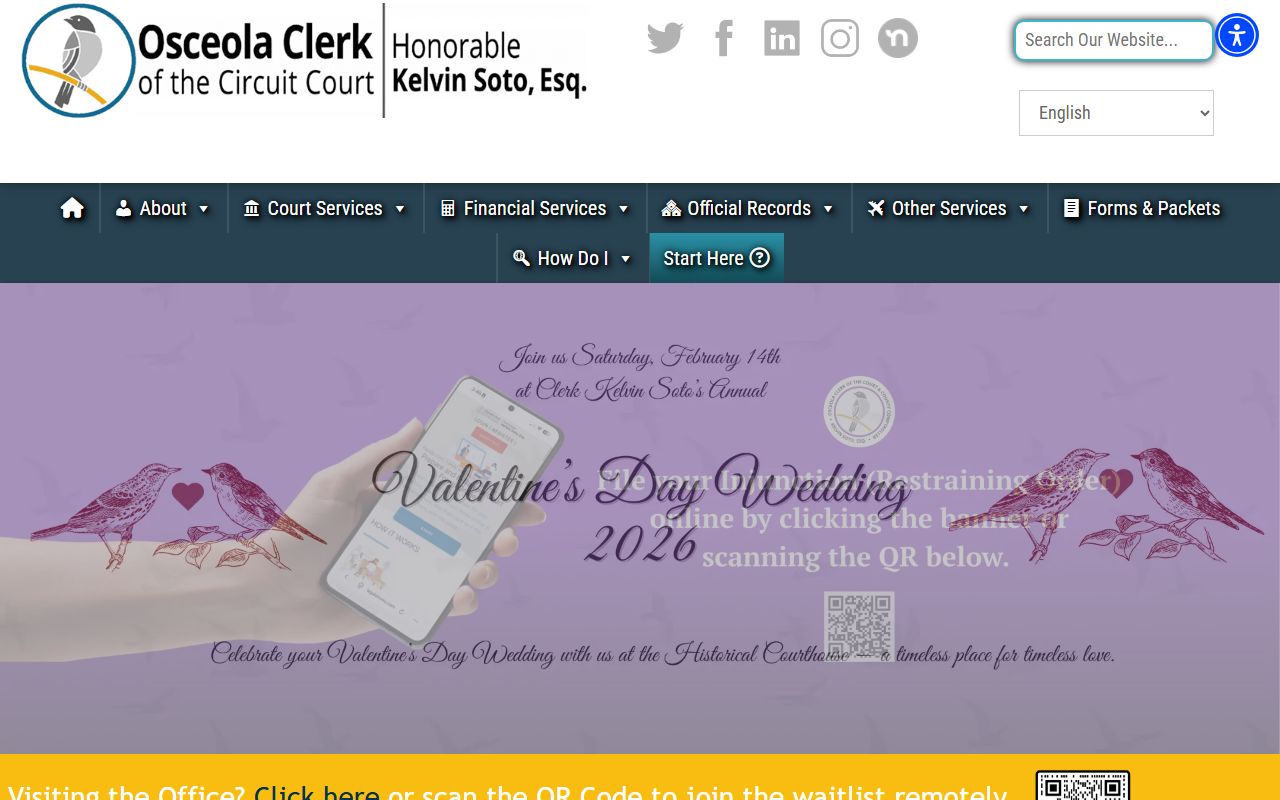
The clerk's site includes e-filing instructions for attorneys, a case search portal, and contact information for each division of the Osceola County court system.
How the Probate Process Works in Kissimmee
When a Kissimmee resident dies with assets requiring court oversight, probate begins at the Osceola County Courthouse. The process follows Florida's Probate Code in Chapters 731 through 735 of the Florida Statutes.
The first step is filing the original will with the Osceola County Clerk within ten days of the testator's death. Florida statute section 732.901 requires this even if you do not plan to open a probate case right away. The will is kept in the clerk's records and can be retrieved later if needed. Not filing a known will is a misdemeanor under Florida law.
To open Formal Administration, the personal representative or attorney files a petition with the Osceola probate division. The petition describes the decedent, lists beneficiaries, and identifies proposed assets. The court reviews it, admits the will to probate, and issues Letters of Administration. Those letters give the personal representative legal authority to collect assets, pay debts, and manage the estate.
The personal representative must publish a Notice to Creditors in a qualifying Osceola County newspaper for two consecutive weeks and serve direct notice on known or reasonably ascertainable creditors within 30 days of appointment. Creditors have 90 days from first publication to file claims. Claims submitted after that deadline are typically barred.
After the creditor period ends, the personal representative pays valid debts, taxes, and estate expenses. A final accounting is then filed with the court. Beneficiaries can object to the accounting within the time the court sets. If the court approves, it issues an order of discharge, the personal representative's authority ends, and the estate closes.
Because the courthouse is right in Kissimmee, local residents have easy access to the probate division for questions, document review, or filing. The clerk's office at 2 Courthouse Square handles intake for all new probate matters and can tell you which forms you need and how to get started.