
Florida Probate Court Records
Florida probate court records are legal documents filed at Circuit Courts across all 67 counties when someone dies and leaves behind property or debts. The Circuit Court in the county where the person lived at the time of death handles the case. You can search probate records by visiting the local Clerk of Court, using online portals where counties provide them, or by contacting the Florida Court Clerks and Comptrollers. This guide covers where probate court records are kept, how to look them up, and what each type of probate case involves in Florida.
Florida Probate Court Records - Quick Facts
Where Florida Probate Court Records Are Filed
Probate in Florida is handled entirely by Circuit Courts. These are the state's trial courts of general jurisdiction, and they cover every county. Each county has a Clerk of Court who files, stores, and provides access to probate case records. When a person dies, the estate is opened in the county where they lived at the time of death. If the decedent was not a Florida resident but owned real property here, the case goes to the county where that property is located. The Clerk of Court for that county receives all filings and maintains the record throughout the life of the case.
The Florida Court Clerks and Comptrollers (FCCC) is the statewide association that connects all 67 county clerks. Their website offers resources on probate record access and links to each county's office. The FCCC publishes clear guidance on which probate records are public, which are confidential, and how to request access. It is a solid first stop when you need to find probate court records in any Florida county.
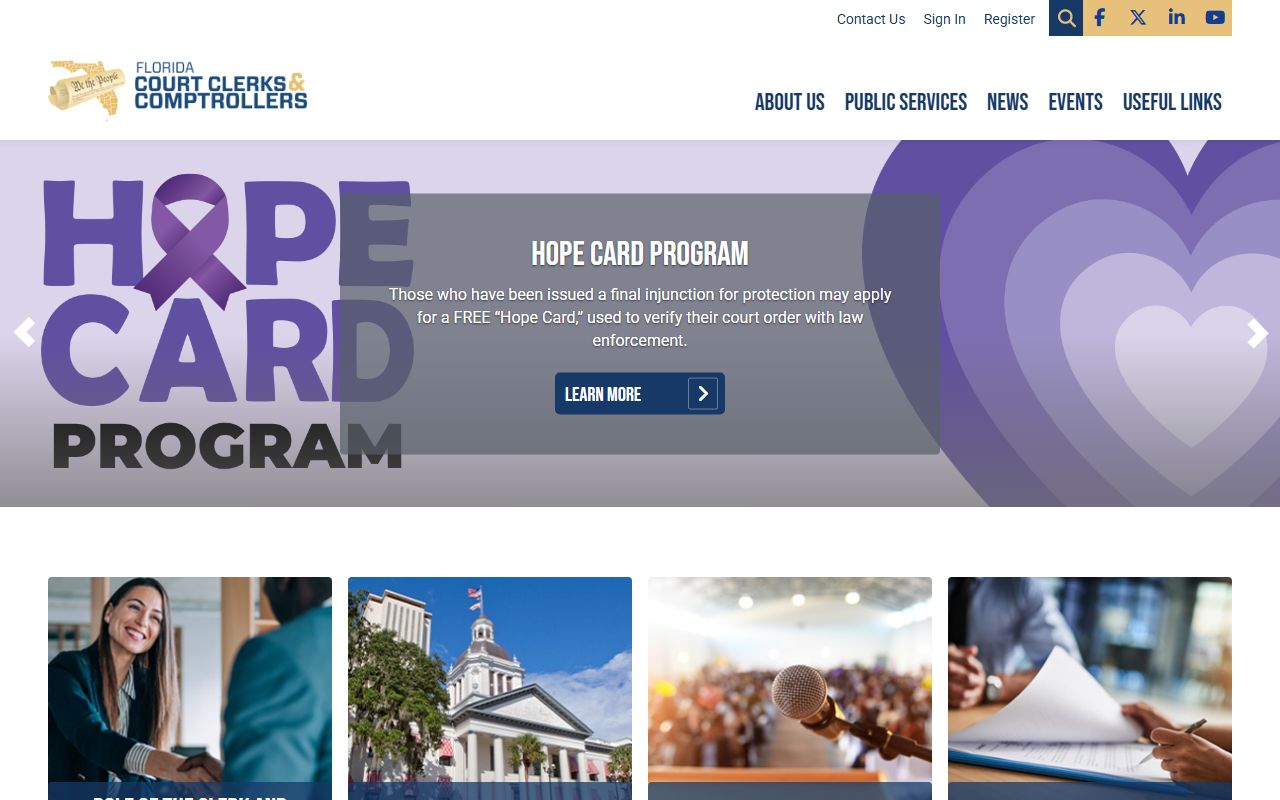
The FCCC explains it clearly: most probate documents are public records. However, inventories and accountings filed in estates are confidential. Only the personal representative, their attorney, or an interested party defined under Florida probate law can view those documents. This means the basic case file and court orders are open to the public, but detailed financial inventories are not.
Use the Find a Clerk tool on the FCCC site to locate the right office by county. It gives you phone numbers, addresses, and links to each county clerk's own website.

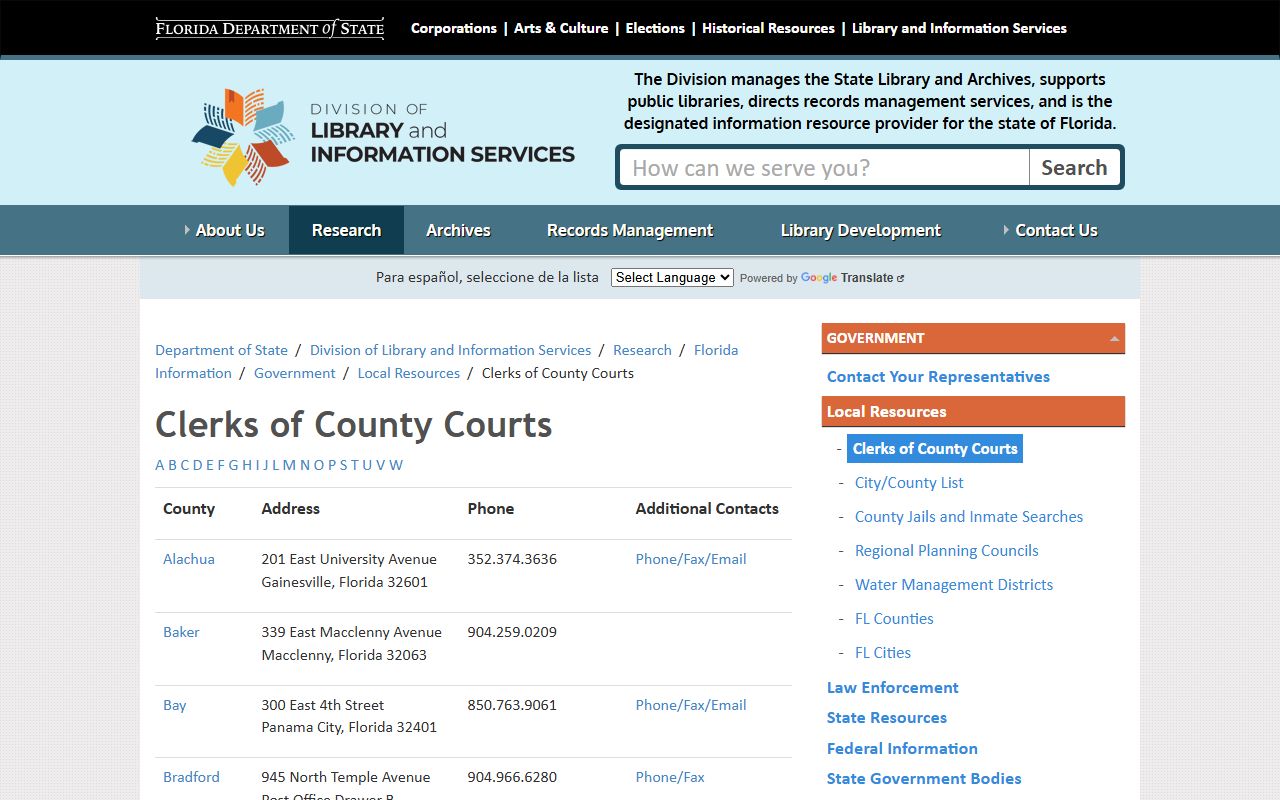
The Florida Department of State also maintains a directory of all county clerks with contact details for every Circuit Court Clerk office in the state.
How to Search Florida Probate Records Online
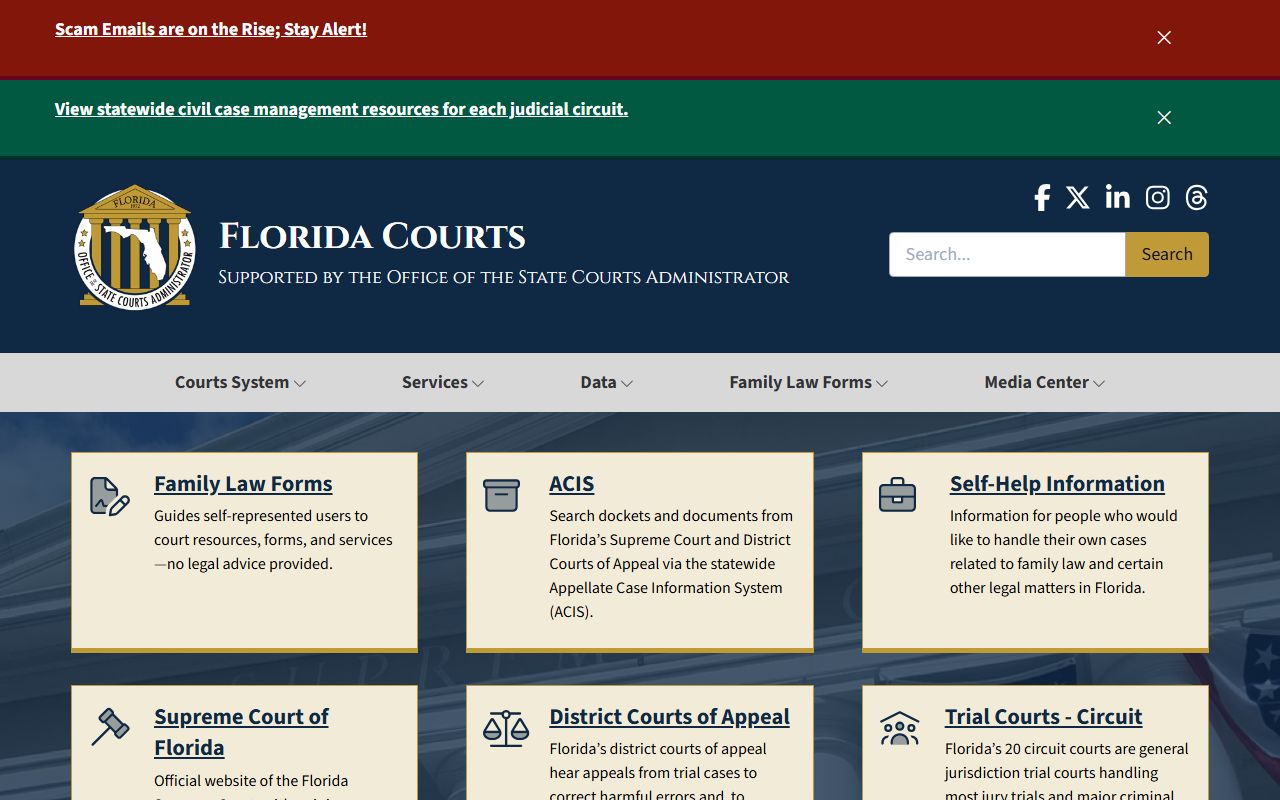
Online access to probate records varies by county. Some counties have robust search portals; others require in-person visits or mail requests. The main statewide entry point is the Florida Courts website, which links to each judicial circuit and its clerk resources.
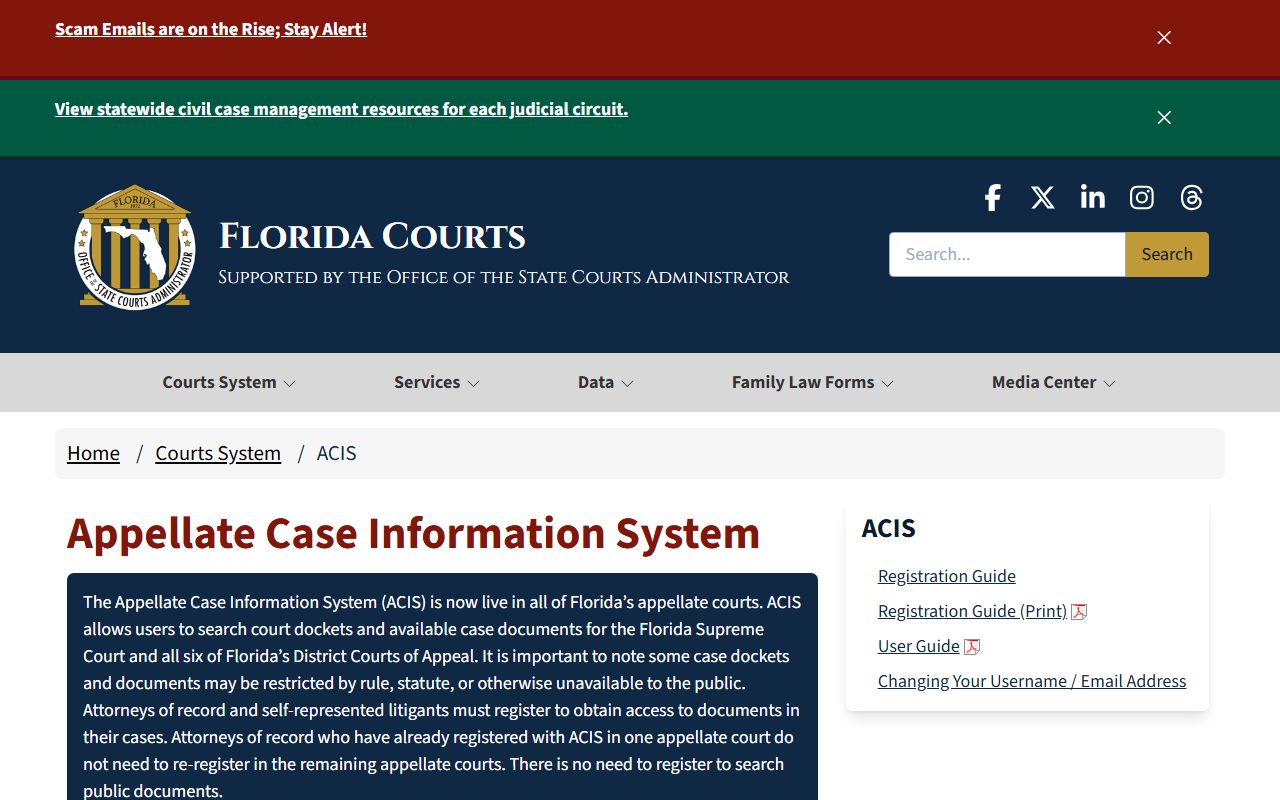
For appellate-level cases, the Appellate Case Information System (ACIS) offers a searchable database. But most probate matters are trial-level cases handled at the county Circuit Court, not the appellate level. For those, go directly to the clerk's website for the county where the case was filed. Orange County, for example, offers a public case search at clerk.org covering probate, family law, civil, and criminal cases. The 11th Judicial Circuit (Miami-Dade) operates a dedicated Probate and Guardianship Registry.
One important restriction applies statewide. Florida law prohibits clerks from posting images or copies of probate court files on publicly available websites for general display. This means you may be able to find case names and dates online, but actual probate documents usually require a visit to the clerk's office or a formal records request. The FCCC's probate records access page explains these rules in plain terms.
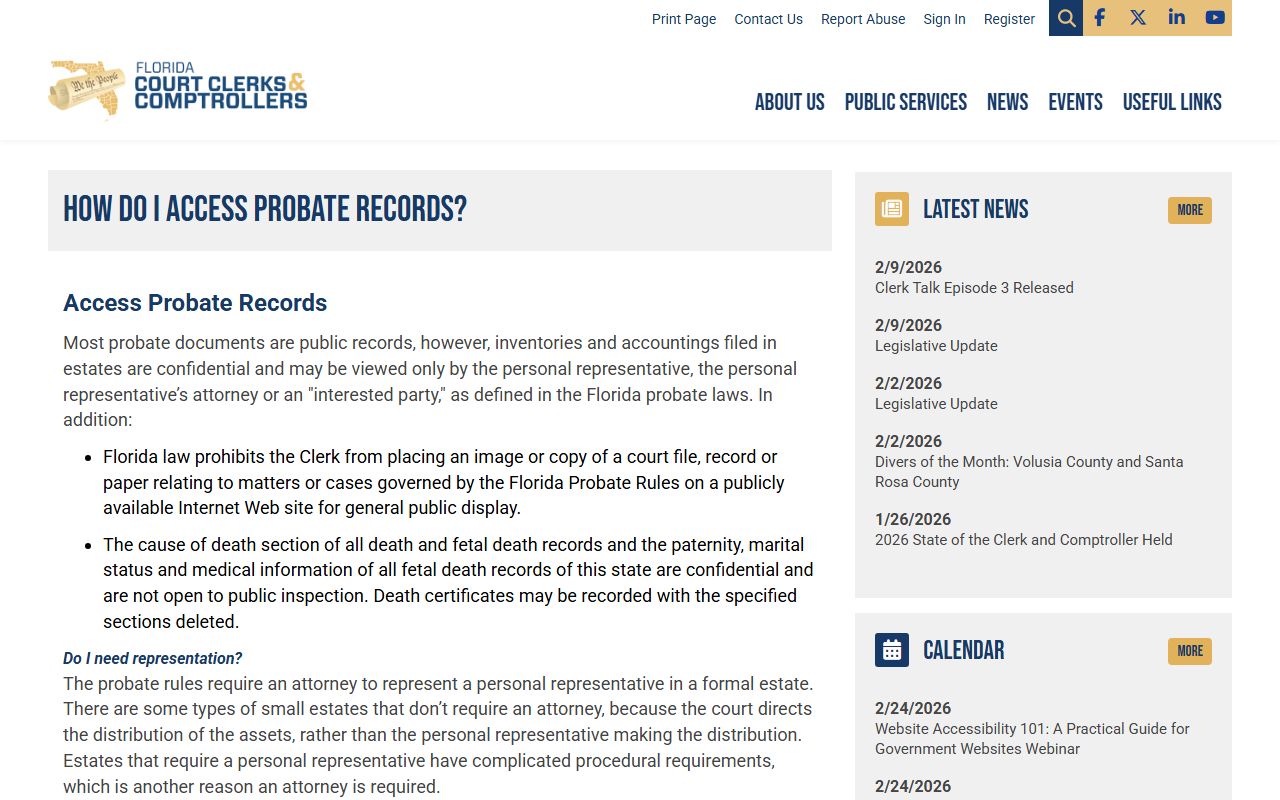
Note: Cause of death sections on death certificates and certain medical information in probate files are confidential under Florida law and cannot be accessed through public records requests.
Types of Probate Cases in Florida
Florida recognizes four types of probate proceedings. Each one is used in different situations and creates a different set of court records. Understanding which type applies to a given estate helps you know what documents to look for when searching probate records in Florida.
Formal administration is the full probate process. It applies when an estate's assets exceed $75,000, or when a personal representative must be appointed to manage the estate. An attorney is required to represent the personal representative in most formal cases. The process involves filing a petition, getting letters of administration from the court, notifying known creditors, publishing a notice to creditors, filing an inventory, resolving claims, and finally distributing the assets. All these steps produce court records. Formal cases can stay open for a year or more. Taxable estates may take even longer because they cannot close until the IRS completes its review of the estate tax return. The probate rules set a two-year period to close taxable estates, but IRS review often runs past that deadline.
Summary administration is a faster, simpler option for smaller estates. It is available when the total value of the estate does not exceed $75,000 (not counting exempt property like homestead) or when the decedent died more than two years ago. No personal representative is appointed. The surviving spouse and beneficiaries sign a petition asking the court to order distribution of the assets. Once the judge enters the order, the estate is closed. Summary administration produces fewer records than formal administration.
Disposition of personal property without administration is the most limited option. It allows someone who paid the decedent's funeral or medical expenses to get reimbursed from estate assets without going through full probate. The total amount reimbursed cannot exceed the funeral bill or $6,000, whichever is less. The decedent cannot have owned real property. The petition must be filed in the county where the decedent lived, and it must be filed within two years of death. This process produces a single court order rather than an ongoing case file.
Ancillary administration handles estates of people who lived outside Florida but owned real or personal property in the state. The ancillary case is filed in the Florida county where the property sits. It works alongside the primary probate case in the decedent's home state. Ancillary administration can be formal or summary depending on the value and nature of the Florida property involved.
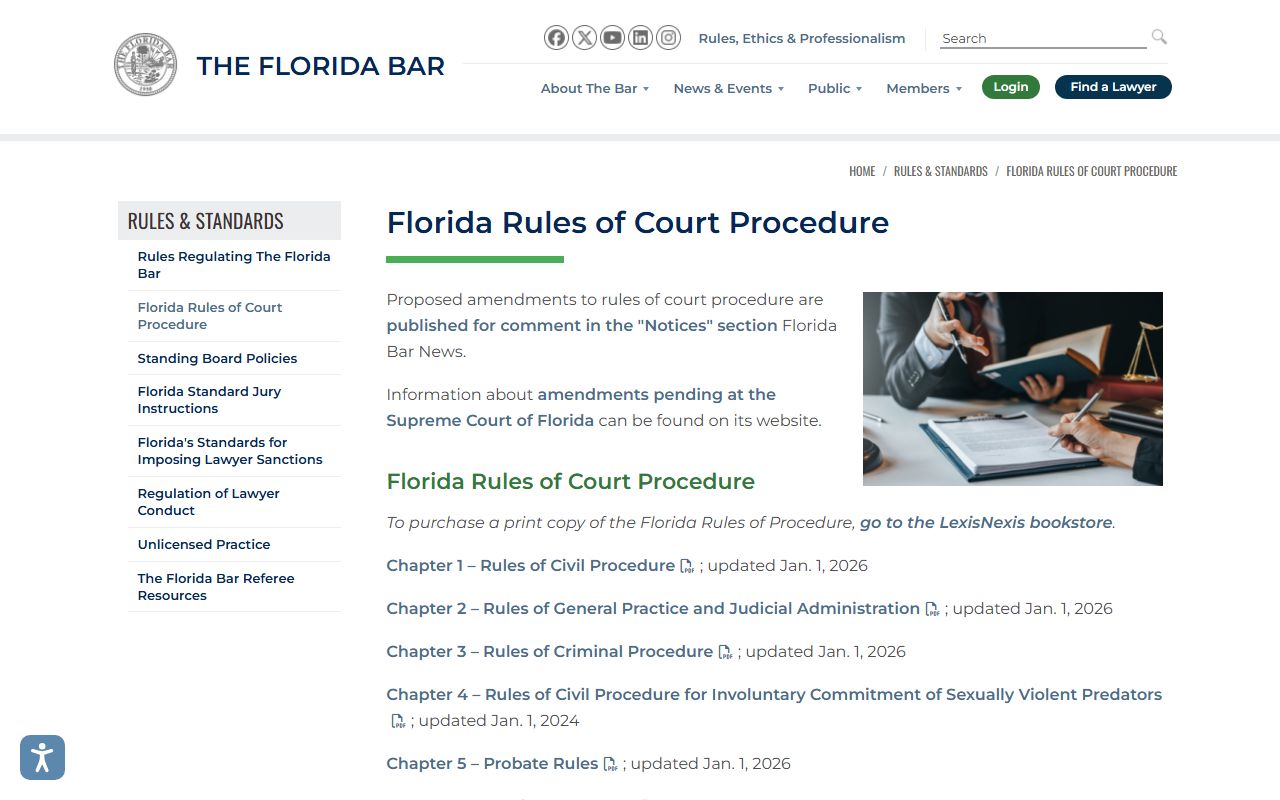
The Florida Probate Rules set the procedures for each type of proceeding. Rule 5.200 covers petitions for formal administration. Rule 5.530 covers summary administration. Rule 5.550 addresses petitions to determine incapacity in guardianship-related proceedings.
Florida Probate Statutes and Legal Framework
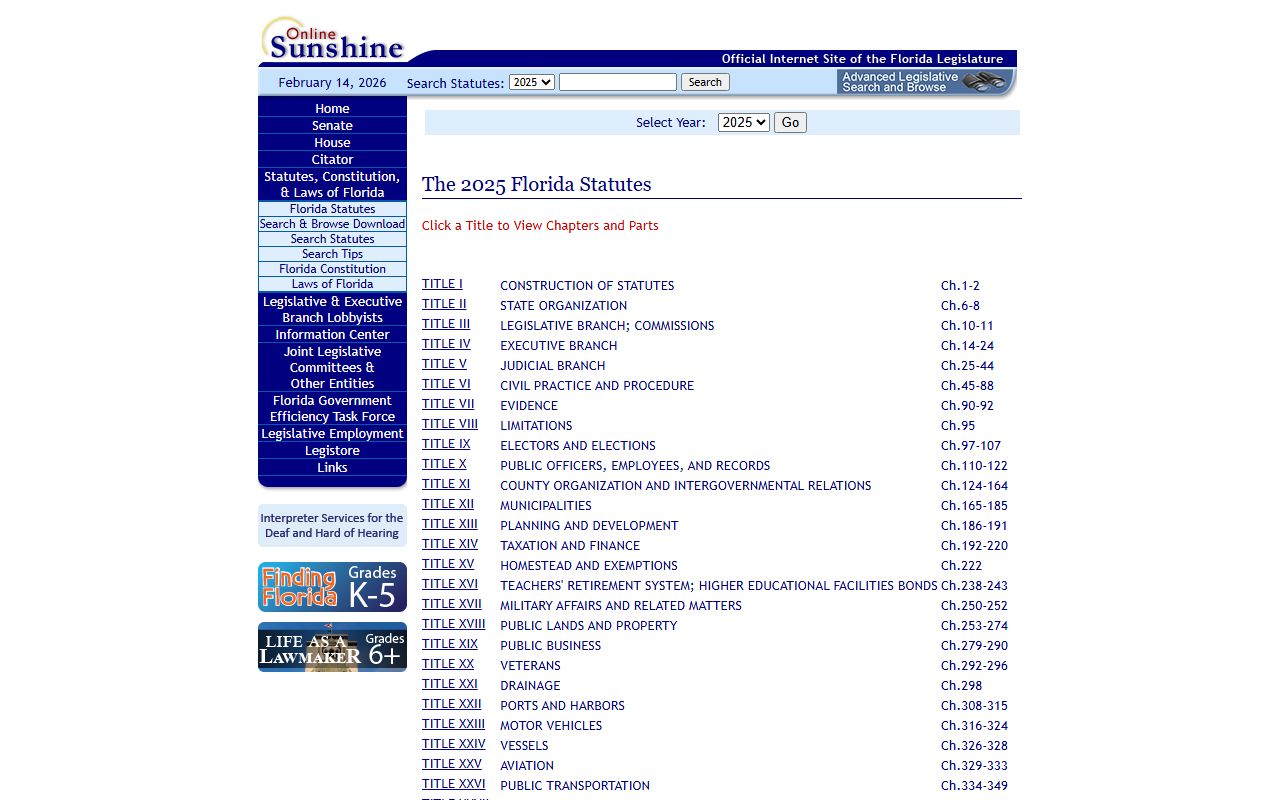
Florida's probate code is spread across several chapters of the Florida Statutes. These laws set the rules for wills, estate administration, small estates, guardianship, and ancillary proceedings. The full text of every chapter is available on the Florida Legislature's website.
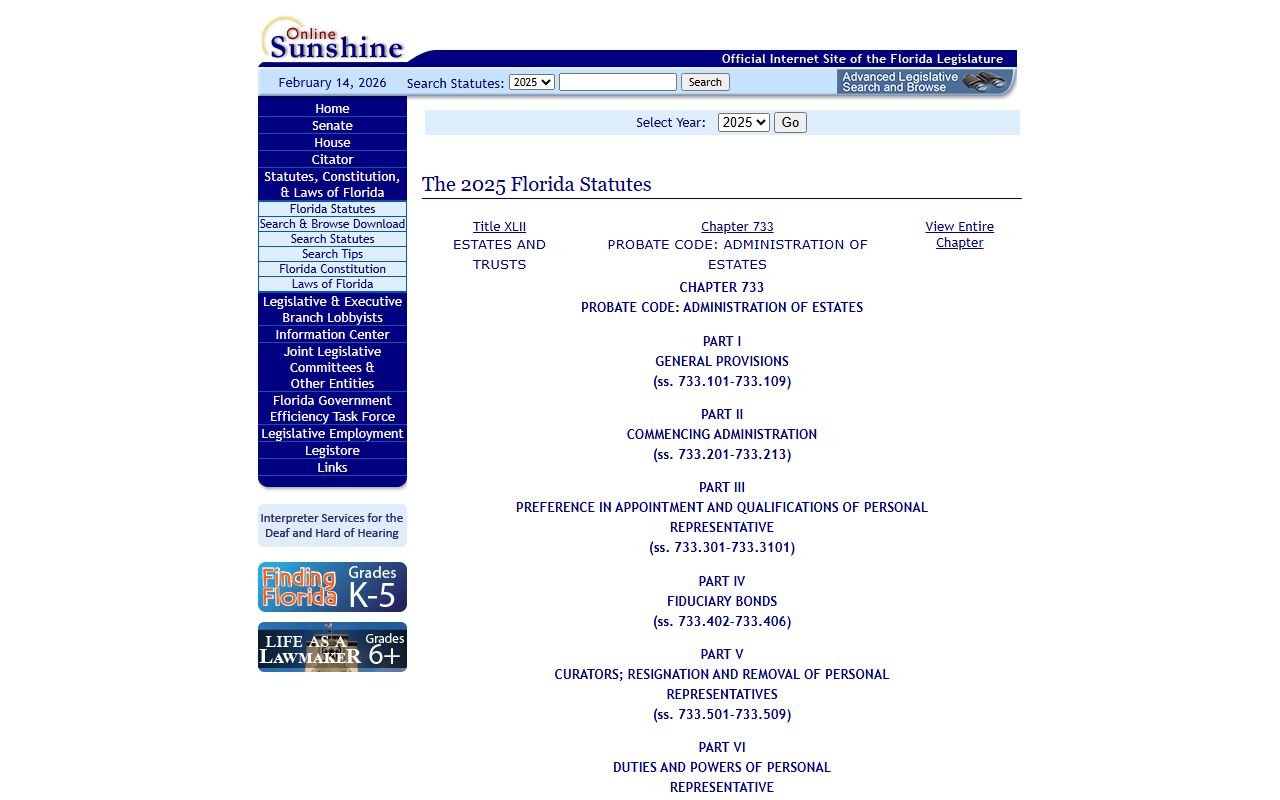
Chapter 731 sets out general provisions for the Florida probate code. It defines key terms like "domicile," "estate," "personal representative," and "interested party." It also sets out jurisdiction and venue rules. Chapter 731.301 covers notice requirements for probate proceedings. Under Section 733.101 of Chapter 733, the proper place to file is the county where the decedent was domiciled at the time of death. Chapter 733 governs the full administration of estates, including notice to creditors under Section 733.2121 and notice of administration under Section 733.212.
Chapter 732 governs intestate succession (dying without a will) and the rules for making a valid will. Section 732.501 states that any Florida resident who is 18 or older and of sound mind may make a will. Section 732.502 requires a will to be signed by the testator and witnessed by two people. Section 732.901 requires that anyone who has a decedent's will must deposit it with the county clerk within 10 days of receiving notice of the death. Filing a will with the clerk costs nothing, but a $7.00 fee applies when the clerk issues a receipt. A will cannot be deposited for safekeeping if the testator is still alive.
Chapter 735 covers small estates, including the $75,000 threshold for summary administration and the rules for disposition without administration. Chapter 734 governs ancillary administration for out-of-state decedents with Florida property.
Guardianship Records in Florida
Guardianship proceedings are filed with the same Circuit Court clerks who handle probate cases in Florida. A guardian is appointed by the court to make personal or financial decisions for a person who cannot make those decisions themselves. Florida law requires a guardian when parents of minor children die or become incapacitated, and also when an adult is found by the court to lack the capacity to manage their own affairs.
The legal framework for guardianship in Florida is Chapter 744, Florida Statutes. Florida recognizes four types of guardianship: voluntary guardianship (for mentally competent adults who cannot manage their estate), involuntary guardianship (for those found incapacitated by the court), limited guardianship (where the ward has capacity for some but not all decisions), and plenary guardianship (where the guardian holds all delegable legal rights). Guardianship is only appropriate when no less restrictive alternative exists. Courts look for options like a durable power of attorney, a trust, or a health care surrogate before appointing a guardian. All guardianship cases are subject to ongoing court oversight, and a guardian who neglects or abuses their duties can be removed.
Probate Forms and Self-Help in Florida
Florida Courts maintains self-help resources for people who need to understand or participate in probate without an attorney. The self-help information page at flcourts.gov includes guides, FAQs, and links to forms. While an attorney is required to represent a personal representative in formal estate administration (unless the personal representative is the sole beneficiary), summary administration and smaller matters can sometimes be handled without one.
Official probate and guardianship forms are available through the Florida Courts family law forms page. Many county clerks also post local checklists and forms on their own websites. The 18th Judicial Circuit (Brevard and Seminole counties) provides summary administration checklists, formal probate checklists, guardian advocate checklists, and affidavits of heirs specific to their circuit. Check your county clerk's website for locally required forms before filing.
Note: Probate procedures can be highly complex. The FCCC advises that you may wish to consult an attorney before proceeding, especially in formal estate administration.
Browse Florida Probate Records by County
Probate court records in Florida are filed and stored at the county level by each Circuit Court Clerk. Select a county below to find local contact information, court resources, and access details for probate records in that area.
Florida Probate Records by City
Florida probate cases are filed at the county level, not the city level. Select a city below to find which county clerk handles probate filings for that area and how to access those records.