
Find Probate Court Records in Palm Coast
Probate court records for Palm Coast residents are filed with the Flagler County Clerk of Courts and handled through the 7th Judicial Circuit. Palm Coast is the largest city in Flagler County by a wide margin, but all probate filings go to the Flagler County Courthouse in Bunnell, the county seat, about 20 miles west of Palm Coast. Clerk Tom Bexley manages those filings. This page covers how to find probate records, what types of cases exist, what you can expect to pay, and where Palm Coast residents can get legal help with estate matters. The 7th Circuit also covers Putnam, St. Johns, and Volusia counties, but Flagler County cases are filed only in Bunnell.
Palm Coast Quick Facts
Which County Handles Probate for Palm Coast
Palm Coast is in Flagler County. All probate filings for Palm Coast residents go to the Flagler County Courthouse in Bunnell. Bunnell is the county seat and is located about 20 miles west of Palm Coast. The drive is straightforward, mostly along State Road 100. Clerk Tom Bexley's office handles probate filings, case records, and public access to documents.
| Clerk of Court | Tom Bexley |
|---|---|
| Address | Flagler County Courthouse, 1769 E Moody Blvd, Bunnell, FL 32110 |
| Phone | (386) 313-4400 |
| Website | flaglerclerk.com |
| Hours | Monday - Friday, 8:00 AM to 5:00 PM |
Flagler County is part of the 7th Judicial Circuit of Florida. This circuit also covers Putnam, St. Johns, and Volusia counties, but each county handles its own filings at its own courthouse. Palm Coast estates are filed and heard only in Flagler County. See the Flagler County probate records page for more detail on county-level procedures.
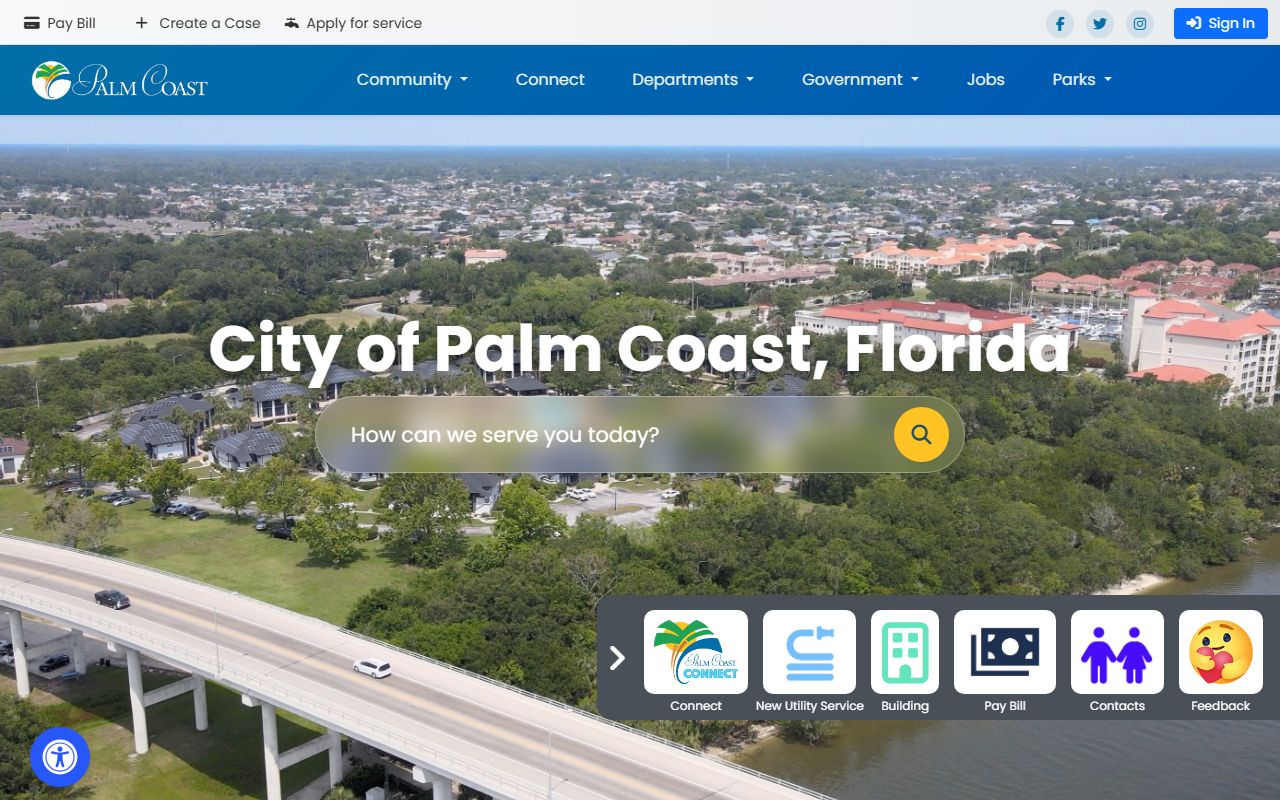
The Palm Coast city website at palmcoastgov.com does not handle probate, but it can help confirm city residency and connect you with local services if needed.
How to Search Probate Records
The Flagler County Clerk maintains an online case search tool through the clerk's website. You can search by the name of the deceased, the name of the personal representative, or by case number. The search is free. Results show case filings, hearing dates, and docket entries. Most case documents are available online, though some financial records in estate cases are confidential under Florida law.
To search, go to flaglerclerk.com and look for the case search or records section. Enter the name of the deceased person. If you know the approximate year of death, use it to narrow results. Probate cases in Flagler County are filed under a case number that includes the year and a sequence number.
For older records that may not be in the online system, call the clerk's office at (386) 313-4400. Staff can search physical records and tell you what it costs to get copies. Standard copies are $1.00 per page. Certified copies, which you often need to transfer property or close bank accounts, cost more.
If you are not sure whether a probate case was ever opened for a particular person, the clerk's office can do a name search. This is useful if you believe someone died with assets in Florida and want to know if an estate was ever administered.
Types of Probate Cases in Flagler County
Florida law gives families options when it comes to handling an estate. The right option depends on what the deceased owned, the total value of those assets, and when they died. All three main types apply to Palm Coast and Flagler County residents.
Formal Administration is the full probate process. It applies when the estate's probate assets exceed $75,000. The court appoints a personal representative, who takes an oath, posts notice to creditors, collects assets, pays valid debts, files an inventory, and distributes the remainder to heirs or beneficiaries. This process takes at least four months in Florida because the law gives creditors that long to file claims. Most formal administrations require an attorney.
Summary Administration is a shorter process for smaller estates. If the estate has $75,000 or less in probate assets, or the person died more than two years ago, the family can file for summary administration. No personal representative is appointed. The court reviews the petition and orders distribution. This can take a few weeks rather than many months.
Disposition Without Administration is the simplest option. If the deceased had no real property and only left behind money to cover funeral expenses and final medical bills, and the total is less than $6,000, no formal probate may be needed. The clerk can issue an order to release those specific funds without opening a full case.
Flagler County also handles ancillary estate cases for people who lived outside Florida but owned property here, including real estate or bank accounts. Ancillary administration works similarly to formal administration but focuses only on the Florida assets.
Filing Fees
Flagler County probate filing fees follow the same statewide schedule used in every Florida county. Fees are based on the gross value of the estate's probate assets at the time of filing.
For estates with assets of $1,000 or less, the fee is $235. Estates from $1,001 to $2,500 pay $270. From $2,501 to $10,000, the fee is $300. Estates from $10,001 to $25,000 pay $355. From $25,001 to $75,000, the fee is $405. Estates worth more than $75,000 pay $405 plus an additional $3.00 per $1,000 over $75,000, up to the statutory maximum.
Other costs come up during probate as well. You will likely need to publish a notice to creditors in a local newspaper, pay fees to record the final judgment, and pay for certified copies of court orders. If you hire an attorney, their fees are also part of the total cost. Florida law sets guidelines for attorney fees in probate based on the estate's value.
To confirm the current fee schedule, contact the Flagler County Clerk at (386) 313-4400 or check flaglerclerk.com. Fees can be updated by the legislature, so always check before filing.
Wills and the 10-Day Filing Rule
Florida law requires anyone who has a will to deposit it with the clerk of the circuit court within 10 days of learning that the person has died. This is required under Florida Statutes section 732.901. Failing to do so can result in legal liability. The will must be filed with the clerk in the county where the deceased lived, which means Palm Coast wills go to the Flagler County Courthouse in Bunnell.
Depositing a will does not open a probate case. It places the will on file. The will becomes a public record once filed. Anyone who wants a copy can request one from the clerk's office. If probate is later opened, the will becomes part of that case file.
Florida's Probate Code is found in Chapters 731 through 735 of the Florida Statutes. These chapters cover every part of the probate process, from who qualifies as a personal representative to how a final distribution is made. Flagler County follows this code, along with the 7th Circuit's local administrative rules, which are available through the circuit's administrative office.
If a will is in dispute, the probate court in Bunnell handles will contests. These are formal court proceedings and almost always require legal representation for all parties.
Legal Help for Palm Coast Residents
Palm Coast residents have access to legal resources at the local, regional, and state level. Getting the right help early can prevent mistakes that delay an estate or lead to court challenges.
The Florida Bar's lawyer referral service at floridabar.org lets you find probate attorneys by county. You can search for attorneys in Flagler County or in nearby Volusia County, which has a larger legal market. The Bar also lets you verify attorney licenses and credentials before hiring.
Three Rivers Legal Services covers Flagler County and provides free civil legal help to income-qualified residents. Estate and probate matters may qualify depending on the situation. Visit trls.org to learn more. The organization serves a large multi-county region in North Florida, including Flagler.
The Florida Courts statewide self-help site at flcourts.gov provides downloadable forms and guides for people handling probate without an attorney. Summary Administration petitions and other standard forms are available there.
The Flagler County Clerk's office itself is a good resource for procedural questions. Staff can explain what documents you need to file and how to submit them. They cannot give legal advice, but they can help you understand the basic steps.
Screenshots
The Palm Coast city website at palmcoastgov.com confirms that Palm Coast is in Flagler County and provides local government contact information for residents who need city-level documentation during the probate process.
The Flagler County Clerk at flaglerclerk.com is where all Palm Coast estate cases are filed and where you can search probate records online.
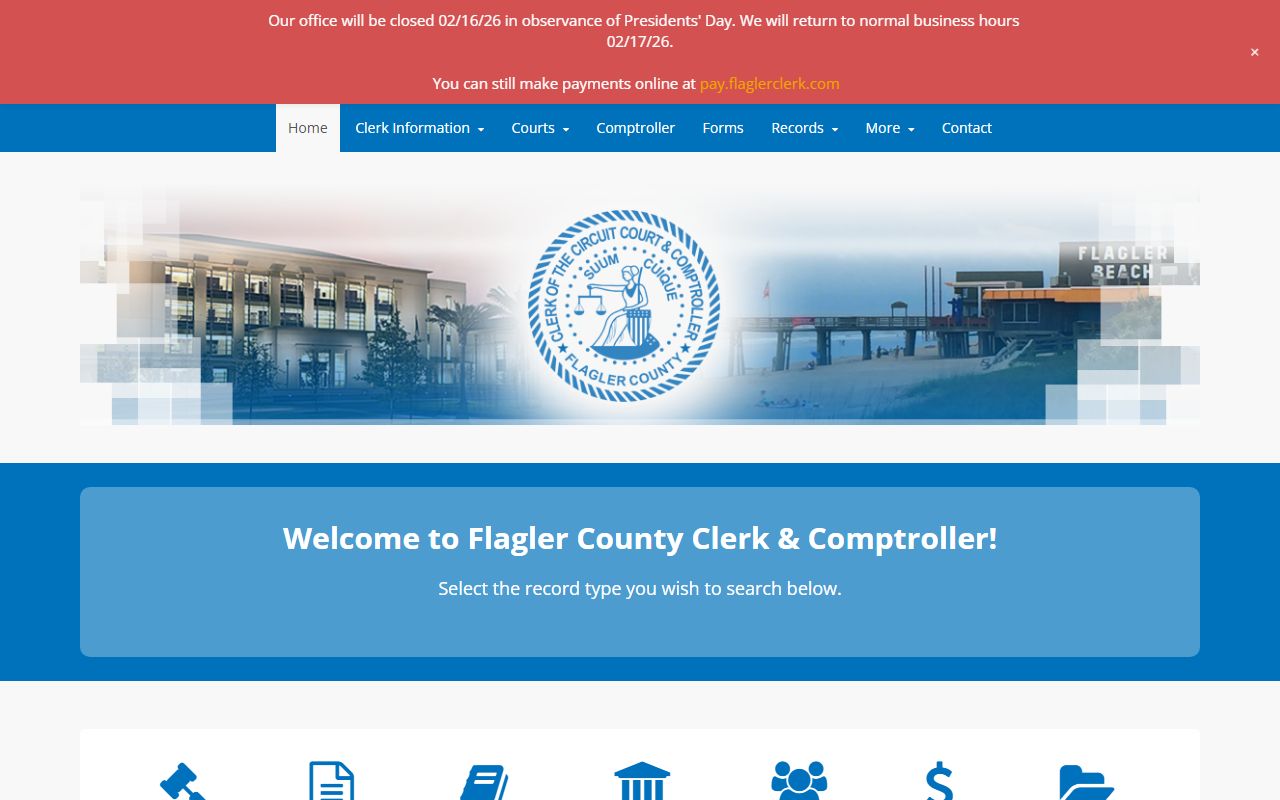
The clerk's online portal is the fastest way to look up an existing probate case for a Palm Coast resident.