
Port St. Lucie Probate Court Records
Probate court records for Port St. Lucie residents are filed and maintained by the St. Lucie County Clerk of the Circuit Court in Fort Pierce, the county seat roughly 12 miles north of the city. When someone who lived in Port St. Lucie dies, their estate goes through probate in St. Lucie County under Florida's 19th Judicial Circuit. This guide covers how to find those records, what types of cases exist, what fees to expect, and where to get help if you need it.
Port St. Lucie Quick Facts
St. Lucie County Handles Probate for Port St. Lucie
Port St. Lucie has no separate probate court of its own. All estate cases for city residents go to the St. Lucie County Clerk of the Circuit Court. The courthouse is in Fort Pierce, which sits at the northern end of the county. If you need to file paperwork or look up a case in person, you go there. The clerk's office manages all filings, collects fees, and keeps the official record of every probate case in the county.
The 19th Judicial Circuit covers Indian River, Martin, Okeechobee, and St. Lucie counties. A circuit judge assigned to the probate division in St. Lucie County oversees cases from Port St. Lucie and the rest of the county. Most routine matters get handled without a court hearing, but the judge steps in for contested claims, disputes over wills, and other issues that need a ruling.
| Clerk of Court | Joseph E. Smith |
|---|---|
| Address | 201 S Indian River Dr, Fort Pierce, FL 34950 |
| Phone | (772) 462-6900 |
| Website | www.stlucieclerk.com |
| Hours | Monday - Friday, 8:00 AM to 5:00 PM |
More detail on county-level probate procedures is on the St. Lucie County probate records page.
The City of Port St. Lucie's official site provides city services information but does not handle probate filings. You can visit the city online for other matters.
Visit the City of Port St. Lucie's official website for city services and local government information.
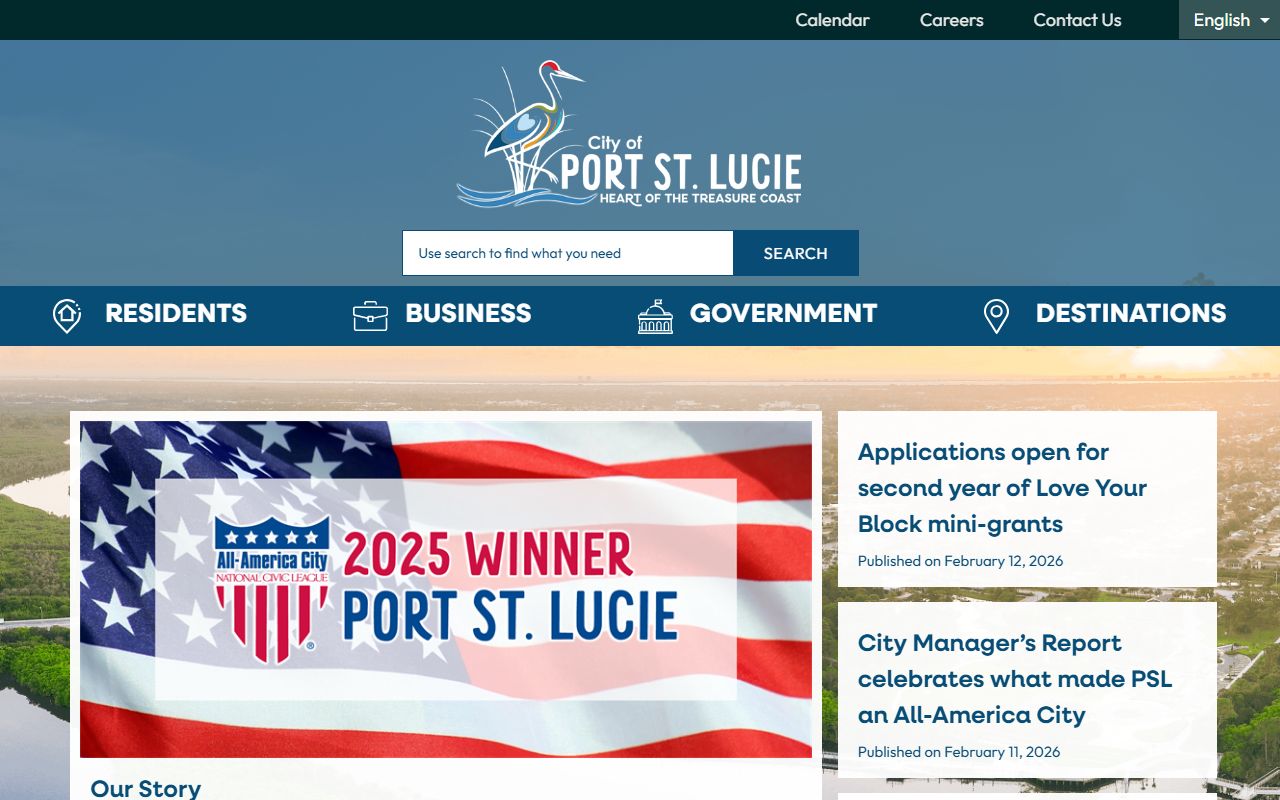
The city site covers permits, utilities, and other local services, but probate filings belong to the county clerk in Fort Pierce.
The St. Lucie County Clerk's website is where you file and search probate records online.
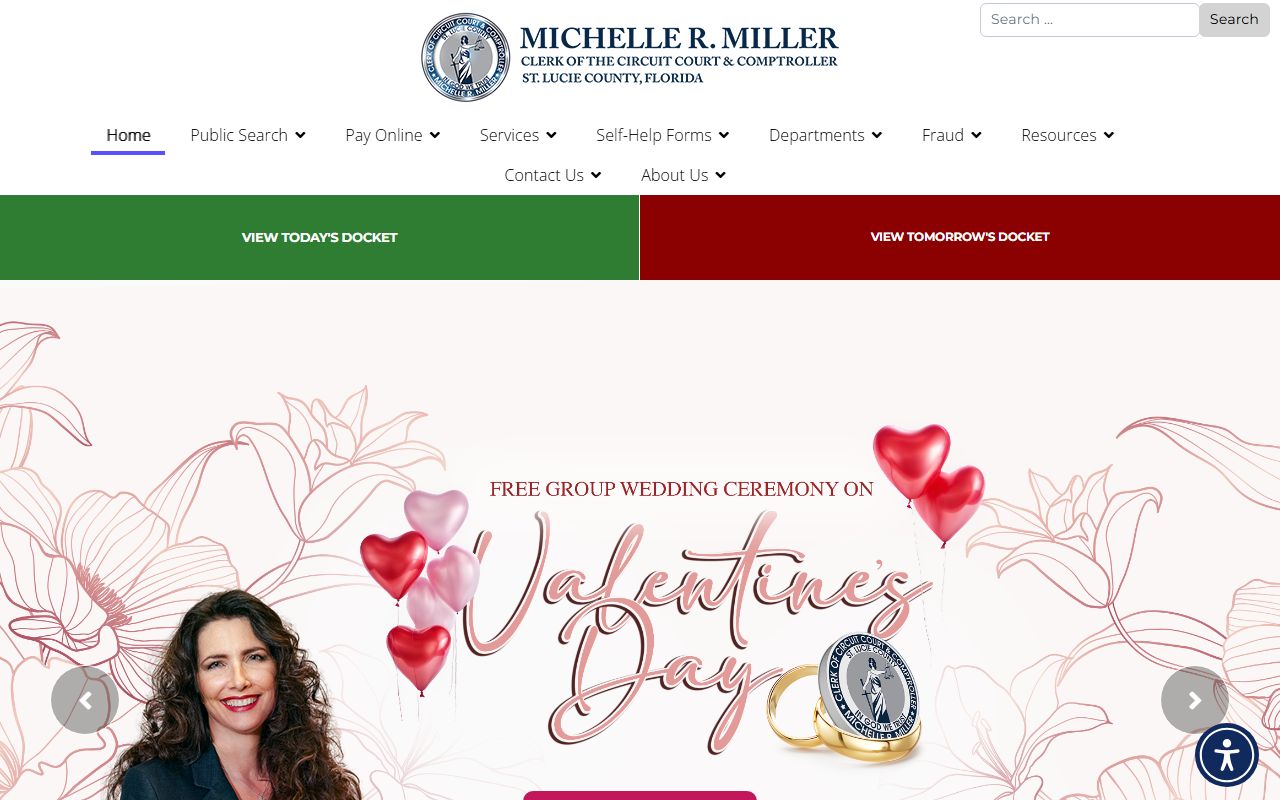
The clerk's portal lets you search cases, view documents, and find filing instructions without coming in person.
How to Search Probate Records
The St. Lucie County Clerk offers online case search through its public portal at stlucieclerk.com. You can look up cases by the name of the deceased, by case number, or by the name of a personal representative. Most case information is free to view online. Certified copies and certain documents cost money, but basic search access is open to the public.
To search in person, go to the clerk's office at 201 S Indian River Dr in Fort Pierce. Bring the name of the deceased and an approximate date of death if you have one. Staff can pull case files and you can review them at the counter. If you want paper copies, you pay a per-page fee at the time of your visit.
Mail requests are also accepted. Write to the clerk's office, include the case name or number, explain what you need, and send a check or money order for the estimated copy cost. The clerk will mail the documents back or contact you if the fee needs adjustment.
Note that some documents are not public. Inventories and accountings filed in probate cases are confidential under Florida law. You can see the case docket and most pleadings, but financial detail about the estate's assets is restricted.
Types of Probate Cases in St. Lucie County
Florida law sets out three main ways to handle an estate, and the right one depends on the size of the estate and how long ago the person died.
Formal Administration is used when an estate is worth more than $75,000 or when the deceased died less than two years ago and the estate doesn't qualify for a simpler process. This is the full probate process. It involves filing a petition, appointing a personal representative, notifying creditors, paying debts, and then distributing what's left to heirs. A probate attorney is required in most formal administration cases. The process typically takes six months to a year, sometimes longer if there are disputes or complex assets.
Summary Administration applies when the total estate value is $75,000 or less, or when the person died more than two years ago. It's faster and costs less. There's no personal representative appointed. Instead, the court issues an order of summary administration that directs how assets go to the people entitled to them. An attorney is still often helpful here, though not always required.
Disposition Without Administration is the simplest option. It's only available for very small estates where the only assets are funds needed to pay funeral costs and final medical bills, there's no real property involved, and the total is under $6,000. This is handled entirely by the clerk's office with no judge required.
Many Port St. Lucie estates also involve assets that don't go through probate at all. Life insurance with named beneficiaries, bank accounts with payable-on-death designations, jointly held property, and assets held in a living trust all pass outside of probate. So even if someone owned a home and had some savings, the actual probate estate might be small.
Filing Fees in St. Lucie County
Florida sets base filing fees for probate cases, but there are also local court costs that vary. For formal administration, the filing fee is generally around $400 at the outset, with additional fees depending on the value of the estate. Estates valued over $1 million carry a higher filing fee tier.
Summary administration filing fees are lower, typically in the $200 to $300 range. Disposition without administration costs less still, often under $100.
On top of filing fees, you pay for copies. Plain copies of court documents are $1.00 per page in Florida circuit courts. Certified copies cost $2.00 per page plus a $2.00 certification fee. If you need a lot of documents from a large estate file, costs add up quickly.
Personal representatives in formal administration cases may also need to pay bond premiums, publication costs for creditor notices, and attorney fees. Attorney fees in Florida probate follow a statutory schedule based on estate value, though parties can agree to different arrangements. Check with the clerk's office or an attorney for a full cost breakdown before you begin.
Legal Resources for Port St. Lucie Residents
If you need legal help with probate and can't afford an attorney, the Legal Aid Society of the Treasure Coast serves St. Lucie County. They help eligible low-income residents with civil legal matters including probate and estate issues. Call their office to see if you qualify and to schedule a consultation.
The Florida Bar's Lawyer Referral Service can connect you with a probate attorney in the area. Many attorneys offer free or low-cost initial consultations. For simple estates, some attorneys will handle summary administration for a flat fee, which can be more affordable than ongoing hourly billing.
The Florida Bar also publishes plain-language guides on probate for the public. These are available on the Florida Bar's website and cover the basics of what to expect, what documents you need, and how the process works step by step.
For self-represented parties, the clerk's office at 201 S Indian River Dr can answer procedural questions and provide the forms needed to start a case. They can't give legal advice, but they can point you to the right forms and tell you what's required for a complete filing.
The Probate Process in Florida
Florida probate is governed by the Florida Probate Code, found in Chapters 731 through 735 of the Florida Statutes. These chapters set out definitions, procedures, time limits, and the rights of heirs, creditors, and personal representatives.
One key rule: any person who has custody of a will when someone dies must deposit that will with the county clerk within 10 days of learning of the death. This rule applies even if no probate case is ever opened. The will becomes a public record once deposited. This requirement comes from Florida Statutes section 732.901.
Once a formal administration case is opened, the personal representative must publish a notice to creditors in a local newspaper for two consecutive weeks. Creditors then have 90 days to file claims. After that window closes, the personal representative pays valid claims and distributes the remaining assets according to the will or Florida's intestacy laws if there's no will.
The whole process is supervised by the circuit court. The personal representative files reports with the court and the judge must approve the final distribution. Once the judge signs a final order, the estate is closed and the case becomes part of the permanent record maintained by the clerk's office in Fort Pierce.