Find Probate Court Records in Tampa
Tampa probate court records are handled by the Hillsborough County Clerk of Courts in the 13th Judicial Circuit. Estates for Tampa residents go through probate at the Hillsborough County Courthouse in downtown Tampa, where the probate division operates out of Room 202. This guide explains how to search those records, what types of cases exist, and how the process works.
Tampa Quick Facts
Hillsborough County Handles Probate for Tampa Residents
Probate is always filed in the county where the person lived when they died. For Tampa residents, that means Hillsborough County. The Hillsborough County Courthouse sits in downtown Tampa, so most residents do not need to travel far. Cindy Stuart is the Hillsborough County Clerk of Courts.
| Clerk of Court | Cindy Stuart |
|---|---|
| Address | Hillsborough County Courthouse, 800 E Twiggs St, Room 202, Tampa, FL 33602 |
| Phone | (813) 276-8100 |
| Website | hillsclerk.com |
| Hours | Monday - Friday, 8:00 AM to 5:00 PM |
The 13th Judicial Circuit covers Hillsborough County only. It does not extend to Pinellas or Pasco. The courthouse is on East Twiggs Street in the heart of downtown Tampa, close to major bus routes. Metered street parking and several nearby garages are available. For complete county-level details, visit the Hillsborough County probate records page.
The Hillsborough County Clerk's office accepts filings in person and, for many case types, through the Florida Courts E-Filing Portal. The portal is the standard method for attorneys. Self-represented parties may also use it in most case types. Mail submissions are accepted for certain documents.
How to Search Tampa Probate Records
The Hillsborough County Clerk provides an online case search at hillsclerk.com. You can search by decedent name, case number, or filing date. Most active and recently closed cases appear in the online system. Older cases may only be available in person or through a written request to the clerk.
For the Tampa city homepage reference as a starting point for residents.
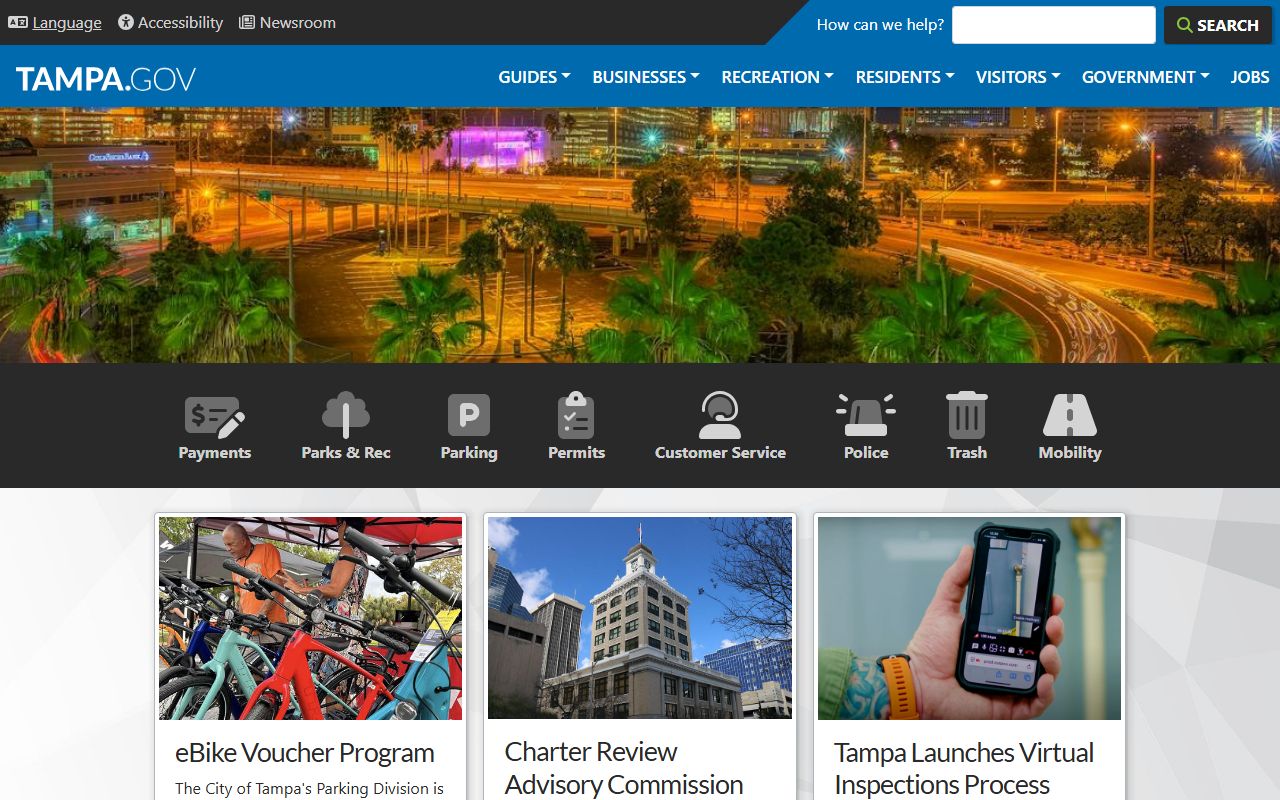
The City of Tampa's site does not manage probate, but it connects residents to county and court services, including links to the clerk's office and courthouse information.
Online searches through the clerk's portal show case type, filing date, parties involved, and current case status. You can also see a list of documents filed in each case, though not all documents are available to view online. Some filings, such as inventories and accountings, are confidential under Florida law and are not open to public inspection.
To see the clerk's online search tool, visit the official Hillsborough County Clerk site.
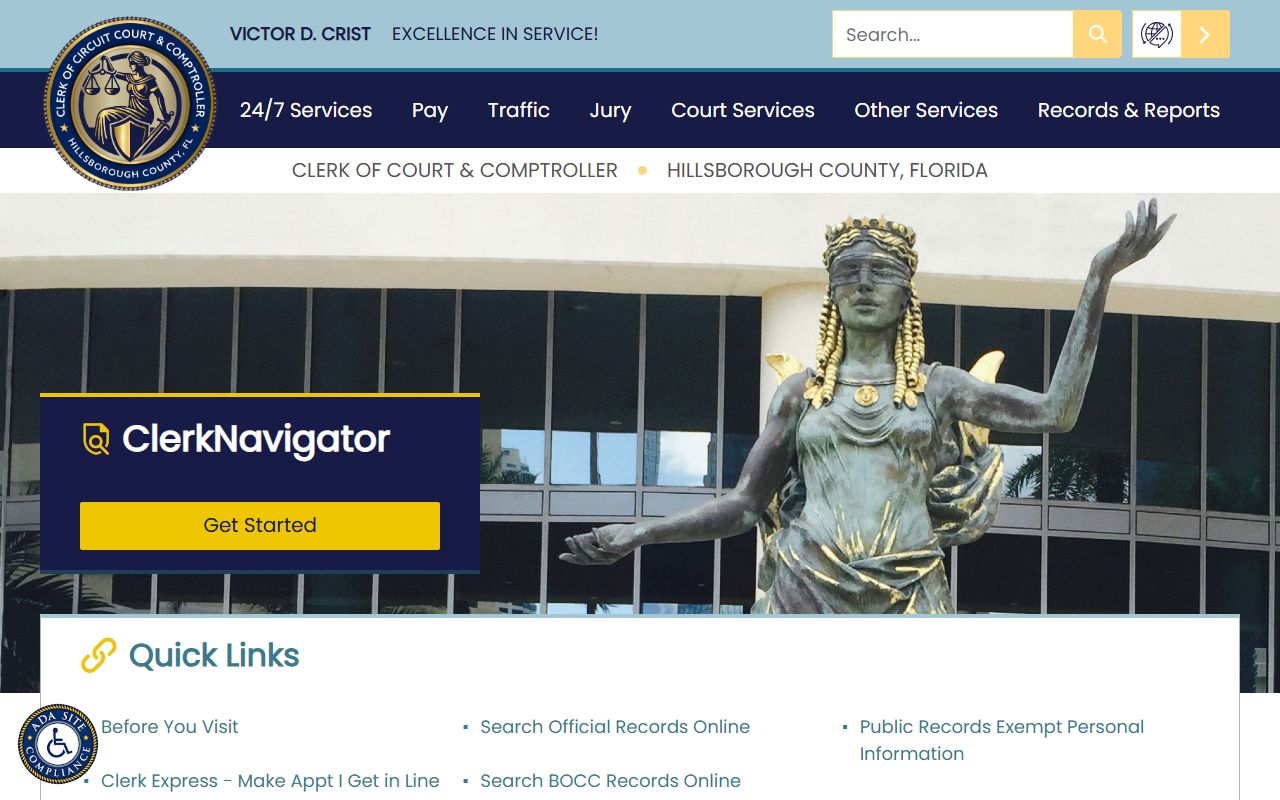
The clerk's site lets you search by name or case number and view docket entries for probate matters filed in Hillsborough County.
Copies of documents cost $1.00 per page for plain copies. Certified copies run $2.00 for the first page and $1.00 per page after that. You can order copies in person, by mail, or through the clerk's online portal. Include a check payable to the Hillsborough County Clerk of Courts with any mail request, along with a self-addressed envelope.
Types of Probate Cases in Tampa
Florida probate law, found in Chapters 731 through 735 of the Florida Statutes, sets out three main ways to handle an estate. The right one depends on estate value and how long ago the person died.
Formal Administration is the full probate process. It is required when the gross value of the estate is over $75,000 and the decedent died less than two years ago. The process involves appointing a personal representative, publishing notice to creditors, filing an inventory, paying valid debts, and then distributing remaining assets to heirs or beneficiaries. In Hillsborough County, a straightforward formal administration often takes five to nine months. Contested matters can run much longer.
Summary Administration is faster and costs less. It is available when the estate is worth $75,000 or less, or when the person died more than two years ago. No personal representative is appointed. Instead, the court issues an order directing how assets pass. Summary administration can conclude in a few weeks when there are no complications.
Disposition Without Administration is the simplest option. It covers situations where the only assets are funds needed to pay for the decedent's last medical care and funeral expenses, with no real property involved and total value generally under $6,000. The clerk processes these without opening a full case.
Wills must be filed with the clerk within 10 days of the testator's death under Florida Statute section 732.901. Filing the will does not open a probate case. It simply deposits the document with the court as a public record, available to anyone who asks.
Probate Filing Fees in Hillsborough County
Court filing fees follow Florida's statutory fee schedule. Fees apply at each stage of the process, not just at opening.
Formal administration filing fees scale with estate size. A small estate under $40,000 may pay around $300 to $400 in total court fees to open. Larger estates pay more, with fees climbing based on statutory ranges. The clerk's office can tell you the exact fee at the time you file, or you can check the fee schedule posted on the hillsclerk.com website.
Summary administration fees are lower. Most summary administration cases pay between $200 and $350 in court costs. If the decedent had a will that needs to be admitted, there may be a small additional fee for that filing.
Disposition without administration costs very little, often under $50 for the clerk's filing charge. The exact amount depends on the specific documents filed.
Attorney fees in probate are governed by Florida Statute section 733.6171. The statute sets a presumptively reasonable fee based on estate value. Personal representative compensation follows a separate but similar schedule. These fees come out of the estate, not from the heirs' own pockets. If you cannot afford court fees, you can apply for a fee waiver. Ask the clerk's office for the appropriate form.
Legal Help and Self-Help Resources in Tampa
Hiring an attorney is not always required for probate in Florida, but it is often a good idea, especially for formal administration. Summary administration for small estates is something many people handle on their own with the right forms and guidance.
The Florida Courts Self-Help Center has approved forms and instructions for probate at flcourts.gov. These forms are accepted in all Florida courts, including Hillsborough.
Bay Area Legal Services provides free civil legal help to qualifying low-income residents in the Tampa area. Their main number is (813) 232-1343. They handle some estate and probate matters, particularly for surviving spouses and minor children.
The Hillsborough County Law Library, located in the courthouse, has legal reference materials available to the public. Staff cannot give legal advice, but the collection includes Florida probate statutes, practice guides, and form books.
The Florida Bar's Lawyer Referral Service can connect you with a licensed probate attorney. Call (800) 342-8011 or visit The Florida Bar's website. The referral service covers attorneys throughout Hillsborough County and the Tampa area. Many offer low-cost initial consultations.
The Probate Process for Tampa Estates
When a Tampa resident dies and their estate needs to go through court, the process starts with a petition filed at the Hillsborough County Courthouse probate division. Here is how the typical formal administration plays out.
Someone, usually a family member or the person named as executor in the will, files a petition for administration. The petition asks the court to open the estate, admit the will if there is one, and appoint a personal representative. The court reviews the petition and, if everything is in order, issues Letters of Administration.
Letters of Administration are the key document. They give the personal representative legal authority to act for the estate. Banks will not release funds without them. Title companies require them to transfer real property. Any institution holding the decedent's assets will ask to see them.
The personal representative must then publish notice to creditors. Florida law requires this notice to be published in a local newspaper. Creditors have three months from the first publication date to file claims. Claims submitted late are typically barred, with limited exceptions.
While handling creditors, the personal representative also inventories the estate's assets. The inventory is filed with the clerk but is confidential. Members of the public cannot view it. Accountings filed later in the case are also confidential.
After all valid debts are paid and any disputes are resolved, the personal representative files a petition to close the estate. The court issues an order of discharge, and the remaining assets pass to the beneficiaries. The case is then closed.
Simple cases often close in five to seven months. Complex ones, especially those with disputes, multiple properties, or tax issues, can take a year or more. Summary administration wraps up faster, often in four to six weeks once all documents are filed correctly.